

 New Worlds of Body, Mind & Spirit Since 1901
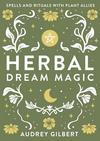
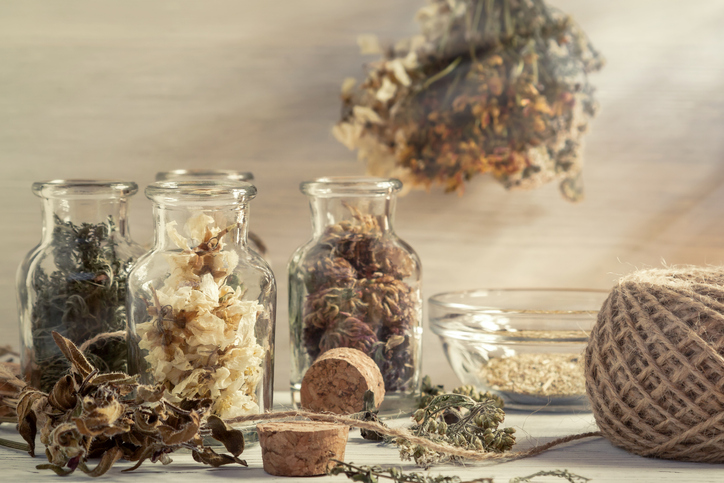 How is your relationship with your dreams? Do you remember them regularly, or wake with the tantalizing feeling that something important happened in the night, but you can't quite bring it back with you? Imagine having an apothecary for your dreaming life. On its shelves might be plants to help you settle into sleep, remember your dreams, encourage vivid or lucid dreaming, seek guidance, or simply deepen your relationship with the mysterious world you enter each night. Some might be familiar plants growing just outside your door. Others might come to you through dreams themselves. I have always been a dreamer. I began keeping a dream journal as a teenager, long before I knew that people had been intentionally working with dreams for healing and guidance for thousands of years. Dreams became a place where I could ask questions, seek guidance, and listen for things I couldn't always hear in my waking life. When I began studying herbalism, I didn't realize that ordinary medicinal plants could affect dreams and consciousness. Psychoactive and psychedelic plants seemed to belong to another category entirely. Over time, as I studied and practiced folk herbalism, my relationship with plants deepened. I grew them in my garden and got to know them through the seasons. I filled my kitchen shelves with their roots, leaves, and flowers. I spent a month at a time with a single plant, drinking teas and tinctures and journaling about the sometimes delicate shifts I noticed in my body, mood, and awareness. And then I started noticing the plants in my dreams. Some seemed to change the quality of my dreaming. Others appeared in dreams themselves. I began sleeping with bundles of herbs beneath my pillow, creating bedside altars, drinking dream teas, and finding other ways to invite plants into my nighttime world. My dreams became richer, stranger, and more enchanted. Then, one night, I dreamed that I came across a house in the middle of a garden. Inside was a cabinet filled with bottles and potions. Someone warned me to be careful because they could be poisonous. But as I looked more closely, the bottles began to reveal themselves as different plants and trees. It's hard to describe how I knew this. In the irrational physics of dreams, I simply knew. One bottle was labeled "roller skate," and I understood that it referred to another recent dream in which I was roller-skating along a path winding through the medicinal herb garden, feeling joy and freedom among the flowers. Another bottle had a lion on it. When I woke, I immediately thought of lion's mane, the medicinal mushroom I had begun taking earlier that week to support cognition. The cabinet seemed to contain an entire pharmacy written in the strange symbolic language of dreams. Each bottle held a different kind of dream medicine. I had dreamed of an apothecary, a place I could return to whenever I needed healing or support. The image of a dream apothecary was strangely familiar. In some sense, I had already been creating one, both on the shelves of my kitchen and in my imagination. Until then, I had thought mostly about what plants could do through their chemical constituents: how they might calm the nervous system, support memory, lift the mood, or help the body heal. But the plants in my dreams seemed to be teaching me something else. They were helping me dream, and the dreaming itself was medicine. Through dreams I could encounter parts of myself I had lost touch with, receive guidance, experience healing, and imagine possibilities my waking mind could not yet see. My plants had become companions in my dreaming life. Over time, this exploration became the heart of what I call herbal dream magic, the practice of working with plants to support dreaming, dream guidance, healing, and the evolution of consciousness. What Is a Dreaming Herb? How all of this works is still something of a mystery. Scientific research into dreaming is relatively young, and many traditional dream herbs have never been studied specifically for their effects on dreams. Much of what we know comes from traditional herbal practice, Indigenous knowledge, folklore, historical accounts, and the experiences of dreamers and herbalists. You don't need an enormous collection of exotic herbs to begin. A dream apothecary can start with a handful of plants chosen according to what your own dreaming life needs. Certain plants, such as mugwort, have a long reputation as dreaming herbs. I also encourage you to get to know the plants outside your door, in your garden, and in the landscape where you live. Pay attention to how they affect you. Herbal dream magic grows through relationship, curiosity, and experimentation. Your dream apothecary doesn't have to exist only on a kitchen shelf. Imagine that somewhere in your inner dreamworld there is an apothecary waiting for you. What does it look like? A little cottage hidden in a garden? A room lined with mysterious bottles? Who tends it? What does this wise being look like and sound like? What medicine might they offer you? As you work with dreaming herbs, you may find yourself becoming the tender of this apothecary, learning which plants belong on its shelves, which ones arrive unexpectedly, and which seem to call to you in dreams. Please note: Herbs can be powerful medicines, and individual responses vary. Research the safety, preparation, and appropriate dosage of any unfamiliar plant before using it internally, especially if you are pregnant, nursing, taking medications, or managing a health condition. Also consider the safe use and storage of any herbs or plants to be used around pets, as those that are non-toxic for humans can be toxic to animals. Here are six plants with which to begin your herbal dream magic journey. Linden: For Peaceful Dreaming and Heartfelt Healing Trees make powerful dream allies. Trees are a commonly reported motif, appearing frequently in our dreams, reflecting how deeply the human imagination is entwined with the living world. We often interpret trees in dreams symbolically. But consider the possibility that the tree itself may be speaking to us through the dream, quite literally. Once I dreamed of a loving woman named Tilia who gave me a book filled with beautiful affirmations about me. She read them aloud, and I wept because I felt so deeply loved. When I woke, I remembered that the day before I had been sitting beneath the linden tree near my house, feeling terribly lonely. I had barely noticed the tree above me. Suddenly, I felt as though the linden had noticed me. I went outside and made a simple offering of compost tea to the tree. The next night, I dreamed that my heart was inside its trunk, held safely in the heartwood where it could heal. Later I learned about linden's long associations in folklore with love, protection, and the heart. For me, those dreams came first. Linden has remained one of my favorite allies when the dreaming life needs gentleness, reassurance, and a sense of being held. Lion's Mane: Bringing Dreams into Clarity and Focus Lion's mane has attracted considerable scientific interest for its effects on the brain and nervous system. Compounds called hericenones and erinacines have been studied for their relationship with nerve growth factor and neuroplasticity, while human studies have explored lion's mane for memory, cognition, and mood. This makes lion's mane especially interesting as a dreaming ally. Dreaming draws upon memory, emotion, learning, and imagination, recombining our experiences in astonishing ways. Supporting memory and cognition may help us hold onto more of our dreams after waking and work with the complex images and stories they leave behind. When the image of a lion appeared on one of the bottles in my dream apothecary, I took it as an invitation to pay closer attention to the mushroom I had recently begun taking. Since then, lion's mane has become one of my allies for supporting the dreaming mind itself: the extraordinary living system that remembers our dreams, creates them, learns through them, and carries their images back into waking life. Lemon Balm: For Easing Into Sleep and Prophecy Its botanical name, Melissa, comes from the Greek word for "bee." The plant is beloved by bees, and its relationship with them reaches deep into its history. In the ancient Mediterranean world, bees carried sacred and sometimes oracular associations. Priestesses known as the Melissae, or "bees," appear in Greek religious traditions, and bees could be associated with divine messages, inspiration, and prophecy. This gives lemon balm an intriguing place in my dream apothecary. When we work closely with a plant, its stories and symbols can begin to enter our imaginations, and sometimes our dreams. You might drink lemon balm tea before bed and invite Melissa into a dream, paying particular attention if bees, honey, hives, or other related imagery appears. What message might the bees be carrying? I especially like lemon balm as a warm tea before bed because the preparation itself becomes part of the transition into dreaming. As you drink, let your attention turn toward the night ahead. Bring a question to your dreams, perhaps something you cannot answer through ordinary reasoning, and ask for guidance. When you dream with lemon balm, you might catch a glimpse of something that has not yet become visible in waking life. Bacopa: For Bringing Dreams Back Modern research has become increasingly interested in this ancient reputation. Bacopa contains a group of compounds called bacosides that have been studied for their effects on the brain and nervous system. Human trials have explored its effects on learning, attention, and memory, with some of the strongest evidence pointing toward improved memory recall. That makes bacopa especially interesting to me as a dreaming herb. Every night we may enter elaborate worlds filled with people, places, emotions, and stories, only to watch them dissolve within moments of waking. Dream recall is a skill. Keeping a journal beside the bed, recording even tiny fragments, and setting an intention before sleep all tell the dreaming mind: I am listening. I turn to bacopa when I want to support memory more generally, and it has found a natural place in my dream apothecary for the same reason. Sometimes the medicine we need is simply help carrying what happened in the night across the threshold into morning. St. John's Wort: For Bringing Light Into the Night Its chemistry is equally interesting. Constituents in St. John's wort interact with several neurotransmitter systems involved in mood and arousal, including serotonin, dopamine, and norepinephrine. It's well known as an herbal treatment for mild to moderate depression. We still know very little about what that means for dreaming, but I find the meeting place between traditional plant lore, modern neuroscience, and lived experience fascinating. Once, during a period when I was feeling depressed, I slept with St. John's wort in my hand. I dreamed of a beautiful old leather book, ancient and mysterious. When I opened it, I discovered a catalog of gods and goddesses. One name caught my attention: a goddess called "Lucidita." I wondered who she was. The dream mystified me when I woke, but somehow it also uplifted me. I would later understand it as precognitive, pointing toward a world of lucid dreaming practices that I would discover in the year ahead. In my dream apothecary, St. John's wort brings light into dark places. I turn to it when I am seeking clarity, courage, or illumination around something I have been unable to see clearly while awake. It is also an exceptional ally for those who suffer from nightmares, PTSD dreams, and chronic anxiety dreams. St. John's wort is also a powerful medicine with many known drug interactions. If you take medications, check with a knowledgeable healthcare practitioner before using it internally. Blue Lotus: For the Sacred Imagination There may have been another dimension to the Egyptians' relationship with this plant. Blue lotus has long been proposed to have mild psychoactive properties, and scholars have suggested that it may have played a role in ritual altered states of consciousness. Modern users often describe its effects as relaxing, dreamy, sensual, and mildly euphoric. Its chemistry is surprisingly mysterious. Alkaloids including nuciferine and apomorphine have been associated with blue lotus and are thought to act on dopamine and other neurotransmitter systems. For me, this combination of relaxation, heightened awareness, and a subtle sense of euphoria makes blue lotus especially interesting for lucid dreaming. Lucidity begins in that extraordinary moment when awareness arises inside the dream and we recognize, I am dreaming. With practice, we can learn to stabilize that awareness and remain consciously present in the dreamworld, where we can fly, experiment with the dream environment, communicate with dream figures, seek guidance, or simply experience the wonder of being awake within a dream. The flower itself moves between worlds: rooted beneath the water, rising toward the light, closing into darkness and opening again with the sun. In my dream apothecary, it is a plant for cultivating that same luminous awareness, carrying a little more consciousness across the threshold into the mysterious and sacred world of dreams. Your Dream Apothecary May Also Dream of You Just as plants can influence our dreams, dreams can point us toward plants. Plants I had never considered working with have appeared unexpectedly in my dreams. Sometimes I understood the connection immediately. Other times I had to research the plant, sit beside it, grow it, drink it as tea, or simply wonder about it for a while. So as you create your own dream apothecary, pay attention to the plants you choose, and notice the plants that choose to appear. Begin with one. Learn its name. Find out where it grows. Smell it. Taste it, if it is safe to do so. Sit beside the living plant if you can. Before you go to sleep, hold it in your awareness and ask for a dream. Then put your journal beside the bed. And see what happens. |

Audrey Gilbert is an herbalist, dream guide, hypnotherapist, life coach, and professional intuitive with nearly two decades of experience exploring the intersections of healing, divination, and plant magic. A graduate of ...