

 New Worlds of Body, Mind & Spirit Since 1901
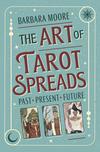
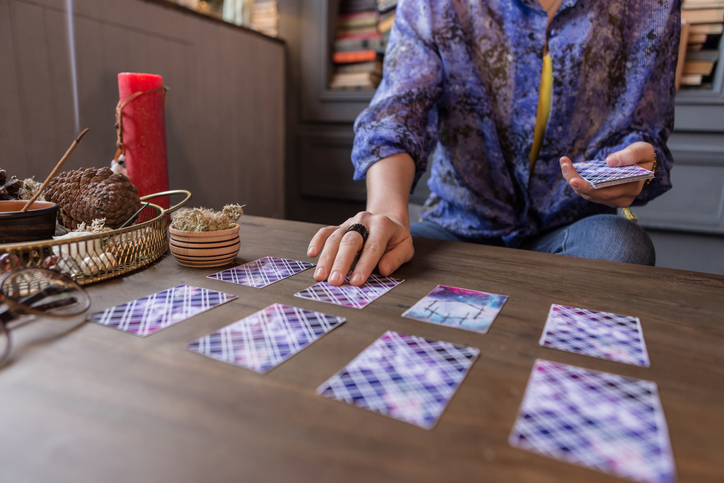 A person sits at their kitchen table contemplating an intricate tarot spread, making notes, comparing cards, and pulling more. Meanwhile, another person waits for their bus, pulls out their phone, and uses an app to "draw" a card. They look at the image, arrive at a conclusion, and close the app. The first situation takes fifteen minutes to an hour; the second, just a few minutes. Time and complexity are just a few of the differences in their approaches to tarot. While the structure of a tarot deck is virtually unchanged, shifts in beliefs, practices, and cultural influences have changed tarot. The titles on cards differ depending on which tradition the deck follows: the Rider-Waite-Smith, the Thoth, or the Marseilles. The images on the cards have evolved, particularly the Fool, Magician, High Priestess, and Strength. The way the cards are used—for fortune telling, advice, or reflection, for example—varies as well. From card title to uses to spreads, tarot always evolves. It is normal to assume that the way our generation uses tarot is the best. We feel this way about everything from architecture to fashion, from storytelling to the role of government. It is normal but it isn't smart. Instead of throwing babies out with the bath water, the wisest among us search the past for treasures to adapt to current needs. The Art of Tarot Spreads: Past Present Future shares the history of tarot spreads and provides ideas for modifying old practices for modern needs. In the nearly forty years that I've been working with the cards, the way we use tarot has changed a lot. In the past decade, we've seen significant shifts in tarot spreads. As a trained historian, I want to understand why things changed, what is better, and what might have been lost. Any good historian, though, knows that it is impossible to interpret a historical period while you are living in it. That doesn't stop me from trying. There are many differences between the older and current reading methods. Today the cards are most often used for daily check-ins, quick decision-making, emotional regulation, and content creation. Time devoted to these activities is usually less than five minutes. Generally, one card is used or three at the most. Interpretations are fast, personal, and intuitive. In the past, we carefully crafted questions and selected or designed spreads to answer those questions. A reading could take an hour. Interpretations were based on combining the card meaning, the spread position, the question, and the surrounding cards. Intuition and personal responses were welcome but not as a substitute for the whole reading. Traditional spreads were designed to handle complex, layered situations. Before beginning any reading, we encouraged our clients to talk at length about their questions so we, the reader, could analyze all the component parts and help the querent dig deeper into their situation. We used the information to create or select a spread that would address all aspects. This encouraged analytical depth and recognized the complexity of life. For traditional readers, the meaning of any tarot card wasn't fixed but was a synthesis of the basic meaning, the spread positional meaning, the question asked, and the surrounding cards. Meaning wasn't memorized or rote or standard. Meaning was negotiated. This approach taught discipline and interpretive skill. More importantly, it prevented vague or repetitive readings because every reading reflected a unique reality. On the other hand, this can be overwhelming to a modern beginner who doesn't have the time or bandwidth that those of us in just the previous generation had. Like any systematic approach, it can become rigid if applied too literally. One of the biggest struggles was how to handle a positive card landing in a negative position or vice versa. There were so many workshops on this very topic back in the day! But learning to synthesize various parts into a whole helped us understand the nuances of reality. Unfortunately, another problem with older reader styles is that not all spreads were well-designed. Those of us who make spreads professionally know that much thought, problem-solving, and testing goes into a spread. Finally, unlike readers today who want to access answers quickly, we traditional readers could get lost down rabbit holes and completely lose the thread of the original question as we laid out cards for hours. Traditional readers enjoyed a slower pace, had a high tolerance for complexity, and emphasized structure and system. Who today couldn't benefit from slowing down for a while? Our currently polarized society is comfortable with black and white thinking; maybe we'd benefit from exploring more subtle approaches. When knee-jerk reactions and top-of-the-head decisions don't work, a structured or systematic tact might help. Modern reading techniques reflect today's lightning-fast pace, polarized opinions, and need for instant answers. Often no spread positions are used and very often only one card is drawn. Sometimes questions aren't even asked but instead basic card meanings are given as messages. Forgoing a question is an interesting change in locus of authority that reflects our current state of overwhelm. When life moves so quickly, though, we don't always have time to think about what we want or need, we just need to know what to do. Modern readings are fast and accessible, perfectly meeting users' needs. In some ways, interpretation is easier because of the emphasis on resonance and immediate responses. These days, a reader is more inclined to ask a client if a reading resonated. A few decades ago, I remember telling clients to sit with a reading for a few days, letting its wisdom unfold. Again, there is a huge change in the amount of time we can commit to our practices. While modern reading methods reflect the needs of today's querents, they also limit us. A quick, easy, simply intuitive style isn't always the best for solving complex and important situations. Someone reading about the state of their long-term relationship might prefer spending more than five minutes and one card on the situation. The lack of systems or outside references means that readings can be vague or repetitive. I've seen modern readers pull the Queen of Swords and proclaiming, "Whenever the Queen of Swords comes up, I always say…." When your card meanings are based only on your understanding of them, they become stagnant. When the meaning is comprised of card, position, question, and other cards, meanings are fresh and surprising. Because modern meanings are based mostly on the readers current understanding, there is a greater risk of projection. Again, back in the day, there were many workshops on how to avoid projecting or falling victim to bias when reading the cards. Finally, the neglect of structures and systems means that the modern reader has less to fall back on if they get stuck during a reading. Both approaches have strengths and weaknesses. The beauty is that we don't have to limit ourselves to one or the other. We can be smart, creative, and eclectic. We can discover and combine, finding and making unique tools that makes tarot even more useful. Learning from our peers is usually the easiest and it's a great place to start, but learning from scholars, practitioners, and writers who came before is fascinating and can lead to the next modern developments. In The Art of Tarot Spreads, you'll see how three practices from even before my time (the tarot dark ages?) can be useful to modern readers. The Surprise! is just downright delightful and seems perfectly suited to modern methods. Believe it or not, the humble Yes/No spread can be an ideal starting point for any reading session. Finally, significators have a long history and many modern applications. Tarot has always evolved, reflecting the needs and beliefs of the society. We who consult the cards, we who practice the oracular arts, are wise. We know we needn't be dictated to by society or social media. We can be aware of options throughout time. We can adapt practices and create a toolkit so that we are prepared for any divination needs. |
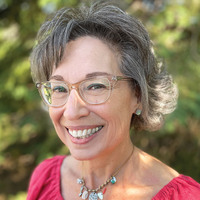
Barbara Moore (Saint Paul, MN) has been in love with tarot for over 35 years. She has shuffled her cards and taught tarot all over the world. Now she embraces her Hermit self, writing books and creating decks. Her Steampunk ...